Anti-Slip Flooring Solutions with Aluminium Tread Plate
Release time:2026-02-11 Click:19
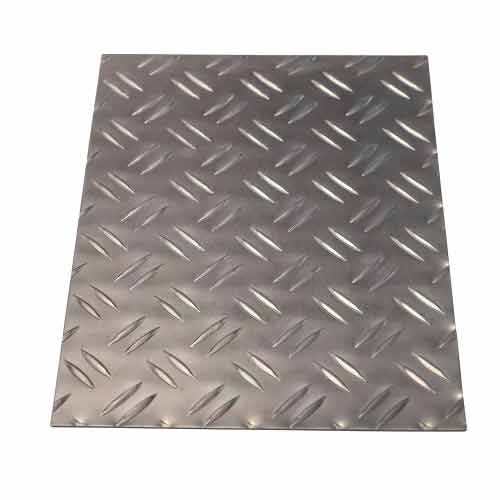
Industrial and commercial environments require flooring materials that can withstand heavy traffic while providing safety under wet or oily conditions. Aluminium tread plate, also known as checker plate or diamond plate, is a lightweight yet durable solution for walkways, vehicle ramps, and decorative panels. The raised pattern on the surface of the aluminium tread plate disrupts the contact area between the shoe sole and the floor, significantly increasing the coefficient of friction. This anti-slip characteristic makes it an ideal choice for areas where fall prevention is a priority, such as loading docks, stair treads, and elevator cabs.
The corrosion resistance of aluminium tread plate is one of its most significant advantages. Aluminum naturally forms a protective oxide layer that prevents rust, making it superior to steel in moist or chemical-laden environments. This property is particularly valuable in marine applications, such as boat decks and offshore platforms, where saltwater exposure would quickly degrade ferrous metals. Furthermore, the lightweight nature of aluminum—approximately one-third the weight of steel—reduces transportation and installation costs. A floor made of aluminium tread plate imposes less structural load on the building's framework, which is a critical factor in aerospace and automotive manufacturing facilities.
Fabrication and installation of aluminium tread plate are relatively straightforward. It can be cut, drilled, welded, and bent using standard metalworking tools without specialized equipment. The common patterns include the five-bar design, which offers classic traction, and the diamond pattern, which provides a more modern aesthetic. Architects often specify aluminium tread plate for its visual appeal, using it as a feature wall or kick plate in contemporary designs. The metal can be anodized or painted in various colors to match the interior design scheme, enhancing its versatility beyond purely functional applications.
Maintenance requirements for aluminium tread plate are minimal compared to other metals. Because it does not rust, there is no need for painting or galvanizing, although anodizing can further enhance its wear resistance. Cleaning is simple, usually requiring just soap and water to remove dirt and grime. The raised pattern also helps hide minor scratches or scuffs that would be visible on a flat surface. In high-wear areas, the longevity of aluminium tread plate ensures that replacement cycles are longer than those of traditional steel checker plates, providing better long-term value.
In conclusion, aluminium tread plate is a high-performance material that balances safety, durability, and aesthetics. Its resistance to corrosion and lightweight profile make it suitable for a vast range of applications, from industrial flooring to architectural cladding. As industries focus more on reducing dead weight and improving worker safety, the adoption of aluminium tread plate continues to grow. It represents a smart investment for any project requiring a non-slip surface that can endure harsh conditions without deteriorating, proving that functional materials can also be visually striking.
Previous article:Preventing Slips and Falls: The Primary Role of Chequered Plate
Next article:High-Quality Stainless Steel Chequered Plate Solutions
Hot products
Mobile: +86 15369215227
Email:metalproducts2022@163.com
Email:1626757181@qq.com