The Enduring Role of Chequered Plate in Modern Infrastructure
Release time:2026-03-05 Click:7
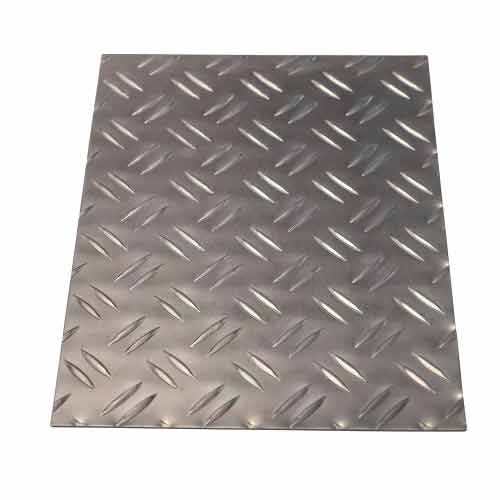
Chequered plate, also known as diamond plate or tread plate, has long been a cornerstone material in industrial and architectural applications due to its unique combination of durability, slip resistance, and aesthetic appeal. Characterized by its raised pattern—typically diamond-shaped but sometimes featuring other geometric designs—this metal sheeting serves both functional and decorative purposes across a wide array of sectors. From ship decks and factory floors to elevator interiors and automotive trim, chequered plate continues to prove its versatility in environments where safety and resilience are paramount.
The manufacturing process of chequered plate involves hot or cold rolling of metals such as aluminum, stainless steel, or carbon steel, during which embossed patterns are pressed into the surface. This not only enhances traction but also adds structural rigidity without significantly increasing weight. Aluminum chequered plates, for instance, are favored in transportation and marine industries because they offer excellent corrosion resistance while remaining lightweight. In contrast, steel variants provide superior load-bearing capacity, making them ideal for heavy-duty platforms, walkways, and stair treads in construction sites or oil rigs.
Beyond its mechanical advantages, chequered plate contributes to design innovation. Architects and interior designers increasingly incorporate it into modern spaces—not merely as a utilitarian surface but as a visual statement. Its textured surface catches light dynamically, creating shifting patterns that add depth and industrial charm to commercial kitchens, retail stores, and even residential lofts. Moreover, advancements in finishing techniques now allow for anodized, painted, or polished chequered plates, enabling customization to match specific color schemes or branding requirements without compromising performance.
Safety regulations worldwide have further cemented the relevance of chequered plate. Occupational health standards often mandate anti-slip surfaces in high-risk zones such as loading docks, chemical plants, and public transport hubs. The consistent texture of chequered plate meets—and frequently exceeds—these regulatory thresholds, reducing the likelihood of workplace accidents. Additionally, its ease of maintenance (requiring only routine cleaning and occasional inspection for wear) makes it a cost-effective solution over the long term, especially when compared to alternative non-slip coatings that degrade more rapidly.
Looking ahead, the evolution of chequered plate is closely tied to sustainable engineering practices. Recyclable by nature, both aluminum and steel chequered plates align with circular economy principles. Researchers are also exploring hybrid composites and nano-coatings to enhance properties like self-cleaning ability or thermal insulation, potentially expanding its use into energy-efficient building envelopes or smart infrastructure. As industries continue to prioritize safety, sustainability, and style, chequered plate remains not just a relic of industrial heritage but a forward-looking material shaping the built environment of tomorrow.
Previous article:Durable Chequered Plate Designed for Heavy-Duty Industrial Platforms
Next article:Understanding Diamond Plate for Safety and Durability
Hot products
Mobile: +86 15369215227
Email:metalproducts2022@163.com
Email:1626757181@qq.com