Anti-Slip Decking Chequered Plate in Construction Projects
Release time:2026-02-14 Click:17
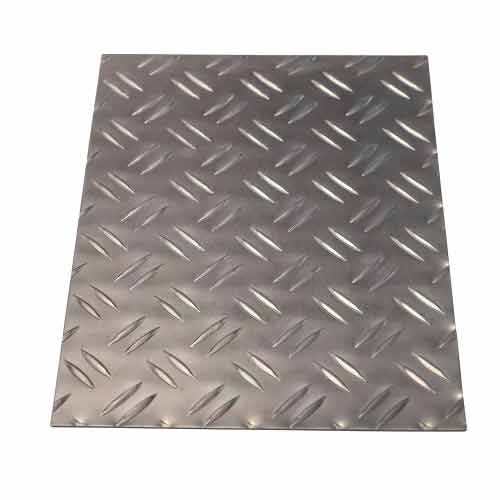
Anti-slip decking chequered plate, commonly known as diamond plate or tread plate, is an essential safety component in construction projects where flooring is exposed to moisture, oil, or heavy foot traffic. The defining feature of this steel plate is the raised, diamond-shaped pattern on its surface, which significantly increases the coefficient of friction between the floor and footwear or tires. This pattern disrupts the contact surface, channeling liquids away and providing multiple grip points, thereby reducing the risk of slips and falls in hazardous environments like industrial platforms, loading docks, and outdoor walkways.
The material selection for chequered plate typically involves hot-rolled carbon steel, which offers high durability and load-bearing capacity. For exterior applications or environments with high corrosion risk, galvanized or stainless steel variants are used to prevent rust, ensuring the anti-slip surface remains intact and effective for years. The thickness of the plate ranges from 1.5mm to 10mm, depending on the structural requirements; thicker plates are used for vehicle ramps or areas subject to heavy impact, while thinner gauges suffice for pedestrian walkways. The raised patterns are usually formed through a rolling process, which work-hardens the surface, making it more resistant to wear and abrasion than smooth steel.
Installation techniques for chequered plate focus on secure fixing and drainage. The plates are typically welded or bolted to the underlying steel structure, with care taken to ensure the raised pattern runs perpendicular to the direction of primary traffic flow for maximum grip. Overlapping seams are common to create a continuous, snag-free surface. In wet areas, the diamond pattern aids in self-draining, preventing water pooling. Architects and engineers specify chequered plate not only for its safety benefits but also for its aesthetic industrial look, which can be left exposed as a design feature. Its low maintenance—requiring only occasional cleaning to remove grime that might fill the grooves—makes it a cost-effective solution for long-term flooring safety.
Previous article:The Dual Purpose of Checkered Plate
Next article:Benefits of Industrial Flooring Chequered Plate
Hot products
Mobile: +86 15369215227
Email:metalproducts2022@163.com
Email:1626757181@qq.com