Corrosion Resistant Lightweight Aluminum Chequered Plate Ideal For Outdoor Use
Release time:2026-02-20 Click:16
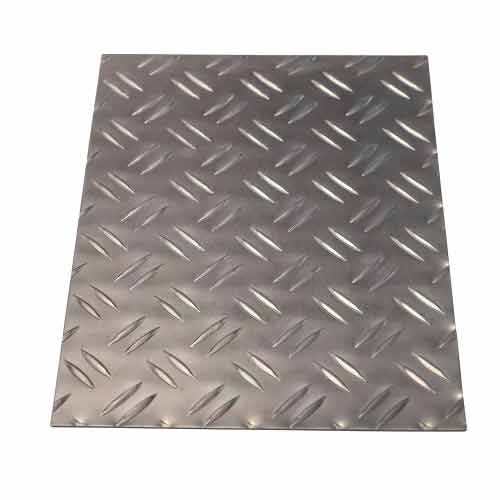
Corrosion resistant lightweight aluminum chequered plate has emerged as the preferred flooring and surfacing material for outdoor applications where the combination of slip resistance, durability, and weather resistance creates performance requirements that alternative materials cannot meet. The distinctive raised diamond pattern that defines chequered plate provides the slip-resistant surface that wet, oily, or otherwise slippery conditions demand, while the lightweight nature of aluminum construction reduces installation requirements and structural support demands compared to steel alternatives. The natural corrosion resistance of aluminum, enhanced through alloy selection and protective treatments, ensures decades of service life in outdoor environments where moisture, temperature cycling, and atmospheric pollutants would rapidly degrade steel or other ferrous materials. These combined characteristics make aluminum chequered plate ideal for applications including industrial platforms, marine walkways, commercial entrances, and vehicular flooring where safety, durability, and low maintenance are essential requirements.
The material properties of aluminum chequered plate that enable its performance in outdoor applications result from careful alloy selection and processing that optimize strength, corrosion resistance, and workability. The 3000 series alloys, particularly 3003, provide the moderate strength and excellent corrosion resistance that general-purpose chequered plate applications require, with manganese additions providing solid solution strengthening without compromising the formability that pattern rolling demands. The 5000 series alloys, including 5052 and 5754, offer higher strength levels for more demanding applications while maintaining excellent corrosion resistance in marine and industrial environments. The pattern rolling process that creates the raised diamond pattern on chequered plate involves specialized rolls that emboss the distinctive pattern while maintaining consistent plate thickness in the unpatterned areas. The resulting product provides uniform thickness and consistent mechanical properties across the patterned surface.
The corrosion resistance that aluminum provides in outdoor environments results from the natural oxide film that forms on aluminum surfaces and the alloying and coating options that enhance this inherent protection. The aluminum oxide film that forms naturally on exposed surfaces provides excellent barrier protection against moisture and atmospheric contaminants, with the film continuously reforming if damaged in a way that steel rust cannot match. For more aggressive environments, anodizing processes create thicker, more durable oxide films that provide enhanced corrosion resistance and improved surface hardness. Paint and powder coating systems offer additional protection and aesthetic options for applications where color matching or enhanced appearance is desired. These corrosion resistance options enable specification of appropriate protection levels for specific environmental conditions, from benign rural settings to coastal marine environments with salt spray exposure.
The installation considerations for aluminum chequered plate address the material characteristics that differentiate aluminum from steel alternatives and influence attachment and support requirements. The lower density of aluminum (approximately one-third that of steel) reduces handling effort and allows smaller equipment for installation while reducing the load that supporting structures must carry. The thermal expansion coefficient of aluminum exceeds that of steel, requiring attention to expansion joint detailing in applications with significant temperature variation. Attachment methods including welding, mechanical fasteners, and structural adhesives each provide appropriate solutions for different application requirements, with the selection depending upon structural requirements, service conditions, and disassembly considerations. Surface preparation requirements for painted or coated installations ensure proper adhesion of protective finishes. These installation considerations, while straightforward for experienced contractors, emphasize the importance of understanding aluminum-specific requirements for successful installations.
The applications for corrosion resistant aluminum chequered plate span diverse outdoor flooring and surfacing requirements where the combination of slip resistance, durability, and weather resistance creates demanding performance specifications. Industrial platform and walkway applications value the slip resistance that diamond pattern provides in wet or contaminated conditions, combined with the durability that heavy foot traffic and equipment loads require. Marine and coastal applications benefit from the corrosion resistance that aluminum provides in salt spray environments where steel would rapidly deteriorate. Commercial and public building entrances use chequered plate to provide durable, slip-resistant surfacing that withstands heavy pedestrian traffic while maintaining attractive appearance. Vehicle flooring applications in trucks, trailers, and specialty vehicles exploit the lightweight, durable characteristics that reduce vehicle weight while providing long-wearing surfaces. These diverse applications demonstrate the versatility that aluminum chequered plate provides for outdoor surfacing requirements.
Previous article:Industrial Galvanized Chequered Plate for Warehouse Flooring
Next article:Durable Warehouse Mezzanine Chequered Plate for Industrial Use
Hot products
Mobile: +86 15369215227
Email:metalproducts2022@163.com
Email:1626757181@qq.com