Understanding Chequered Plate 6mm Unit Weight for Engineering Applications
Release time:2026-02-25 Click:16
The calculation of structural loads, material quantities, and project costs requires accurate knowledge of the unit weights of construction materials, with chequered plate representing a common structural element whose weight must be accounted for in design and construction planning. Chequered plate 6mm thickness specifications provide standardized dimensions that enable engineers, contractors, and fabricators to accurately calculate loads and material requirements. Understanding chequered plate specifications enables accurate project planning and cost estimation.
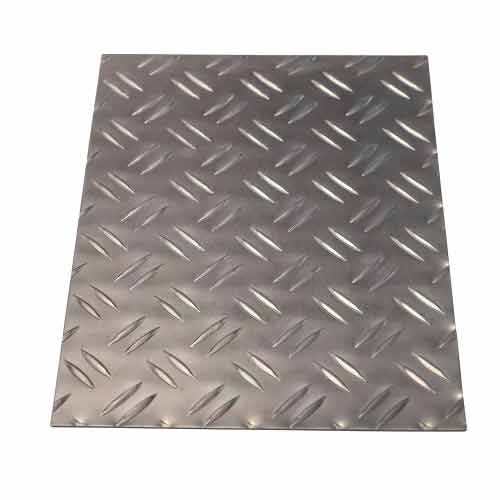
The nominal 6mm thickness of chequered plate refers to the base plate thickness before the raised pattern is applied, with the pattern adding additional height to the overall plate dimensions. Standard patterns include diamond, lenticular, and bar patterns, with each pattern providing different combinations of slip resistance and aesthetic appearance. The pattern height typically adds approximately 1.5mm to 2.5mm to the overall plate thickness, creating a total thickness of approximately 7.5mm to 8.5mm for pattern chequered plate.
Unit weight calculations for 6mm chequered plate require consideration of both the base plate weight and the additional weight of the raised pattern. The theoretical weight of plain 6mm steel plate is approximately 47.1 kilograms per square meter, based on the density of steel at approximately 7850 kg/m3. The raised pattern adds approximately 10% to 15% to the base weight, resulting in a unit weight of approximately 52 kg/m2 to 54 kg/m2 for typical patterns. Specific unit weights should be verified with manufacturers, as pattern dimensions and tolerances vary between products.
Material specifications for chequered plate in engineering applications typically require specific grades of steel with defined mechanical properties and chemical composition. Structural steel grades including ASTM A36, S235JR, and S355J2 provide the strength and weldability required for structural applications. Pressure vessel grades may be required for applications involving stored fluids or gases. Chemical composition limits ensure weldability and corrosion resistance appropriate to the intended service environment.
Surface treatment and finish options for chequered plate address both corrosion protection and appearance requirements for different applications. Hot-rolled finish provides the standard appearance for structural applications where surface finish is not critical. Mill scale removal through shot blasting or acid cleaning provides improved corrosion resistance and better appearance for exposed applications. Galvanized or painted finishes provide additional corrosion protection for outdoor or corrosive environments.
Fabrication considerations for chequered plate include cutting, forming, and welding operations that may be required during installation. Cutting with plasma, oxy-fuel, or mechanical methods produces clean edges suitable for structural connections. Forming bends the plate to required shapes, with minimum bend radii specified to prevent cracking. Welding requires appropriate filler materials and procedures to maintain strength and corrosion resistance at welded joints.
Design considerations for chequered plate in structural applications address both the load-bearing capacity and the practical aspects of handling and installation. Flexural strength and deflection limits govern the span capability of plates used in flooring and decking applications. Connection details specify the fasteners or welds required to secure plates to supporting structures. Handling and installation requirements consider the weight and rigidity of installed sections.
Previous article:Heavy-Duty Traction: The Versatility of 6mm Chequered Plate
Next article:Protecting Vehicle Undercarriages with Tough skid plate
Hot products
Mobile: +86 15369215227
Email:metalproducts2022@163.com
Email:1626757181@qq.com