The Industrial Value of Chequered Plate 6mm Thick
Release time:2026-02-28 Click:17
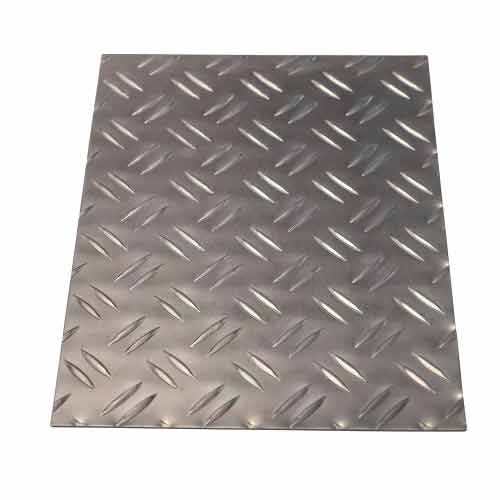
Chequered plate 6mm thick, a robust steel sheet with raised diamond or square patterns, is a cornerstone of industrial flooring and structural applications. Its 6mm thickness provides exceptional load-bearing capacity, while the chequered surface offers superior slip resistance, making it ideal for high-traffic, heavy-load environments. From factory floors to truck beds, this plate combines durability with functionality, ensuring safety and longevity in demanding settings.
The structure of chequered plate 6mm thick is engineered for strength and traction. Made from low-carbon steel (ASTM A786 grade), it is hot-rolled into sheets with a thickness of 6mm (0.236 inches), with patterns (diamond, 5-bar, or tear-drop) embossed on one side. The raised sections (2–3mm high) increase surface roughness, providing slip resistance even when wet. The plate’s edges are often beveled to prevent cuts, and holes (for bolting) can be custom-punched. For corrosive environments, stainless steel (304 grade) or aluminum variants are available, though steel remains the most common.
Applications of chequered plate 6mm thick are concentrated in heavy industry. Factory floors use it to create safe walkways and workstations, supporting forklifts and pallet jacks (loads up to 5 tons/m2). Truck and trailer beds are lined with it to prevent cargo from shifting, with the chequered surface gripping boxes and machinery. Stair treads in industrial buildings, ramps, and loading docks rely on its slip resistance. Even in mining, it forms the base of conveyor systems, withstanding impact from heavy materials.
Advantages of chequered plate 6mm thick over other flooring materials are significant. Its 6mm thickness provides rigidity, preventing flexing under heavy loads, unlike thinner plates (3–4mm) that may warp. The chequered pattern eliminates the need for additional anti-slip coatings, which wear off over time. It is easy to fabricate—cut with plasma cutters, welded, or bolted to frames. For maintenance, it can be shot-blasted to remove rust, and damaged sections are easily replaced. Cost-wise, it is 15–20% cheaper than aluminum chequered plate, with a lifespan of 20–30 years.
Installation of chequered plate 6mm thick requires a solid subfloor. First, the surface is leveled and cleaned, with steel beams or concrete slabs spaced to support the plate. Plates are laid in a staggered pattern to distribute load, with edges butted and welded or bolted. For expansion joints, gaps (5–10mm) are left to accommodate temperature changes. Non-slip strips are added in extremely wet areas, and drainage holes are drilled if needed. Professional installers use laser levels to ensure even surfaces, critical for forklift safety.
Maintenance of chequered plate 6mm thick ensures continued safety. Regular sweeping removes debris, while pressure washing clears oil and grime. Inspections check for rust (common in coastal areas) and weld failures, with touch-up paint applied to damaged areas. In high-impact zones (e.g., loading docks), plates are reinforced with additional supports. For worn patterns, the surface can be re-embossed. With proper care, chequered plate 6mm thick remains a reliable, heavy-duty solution, proving its value in industrial settings.
Previous article:Heavy Duty Warehouse Mezzanine Chequered Plate for High Load Capacity
Next article:Cost-Effective Parking Lot Surfaces Chequered Plate for Budget-Friendly Garage Projects
Hot products
Mobile: +86 15369215227
Email:metalproducts2022@163.com
Email:1626757181@qq.com