The Utility of Checkered Plate
Release time:2026-01-25 Click:23
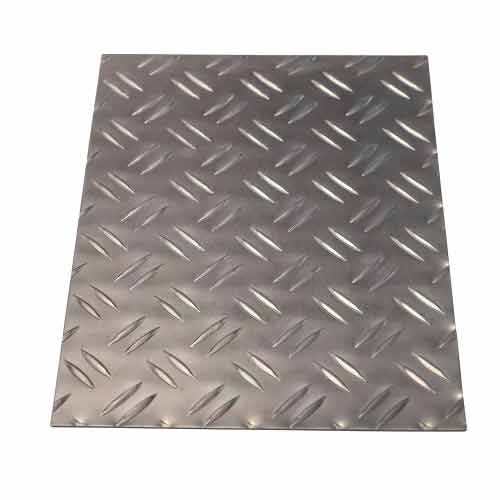
In industrial settings, safety and durability are the twin pillars of material selection. The Checkered Plate, also known as diamond plate or tread plate, is a staple in factories, warehouses, and vehicle modifications due to its unique raised pattern. This pattern is not merely aesthetic; it serves a critical anti-slip function, providing traction for workers and machinery in environments where oil, water, or dust might make smooth surfaces treacherous. The raised diamonds or lentils increase the coefficient of friction, ensuring a secure footing even in adverse conditions.
The manufacturing process of Checkered Plate involves rolling a pattern into the surface of a metal sheet—typically steel, aluminum, or stainless steel—while it is still hot and malleable. This creates a permanent deformation that will not wear off, unlike surface coatings or painted-on grips. The material itself is chosen based on the environment: hot-dipped galvanized steel is preferred for outdoor structural use to resist rust, while polished aluminum is used for decorative applications or in food processing environments where hygiene and corrosion resistance are key. The thickness of the plate can range from thin sheets for garage doors to heavy blocks for industrial flooring.
Applications for Checkered Plate are incredibly diverse. It is commonly used for stair treads, catwalks, and mezzanine floors to prevent slips and falls. In the automotive industry, it is used to repair damaged floors in trucks and tractors, as well as for custom toolboxes and running boards. Architects are increasingly incorporating it into modern interior designs for wall cladding, kitchen backsplashes, or feature walls, where the industrial look is desirable. Its ability to hide scratches and dents makes it perfect for high-traffic areas where cosmetic perfection is less important than resilience.
Maintenance of Checkered Plate is minimal compared to other flooring materials. Because the anti-slip surface is part of the metal itself, it does not require re-coating or aggressive cleaning. Regular sweeping and occasional mopping are usually sufficient to keep it in good condition. However, in corrosive environments, the cut edges of the plate must be treated with a rust-inhibiting primer to prevent oxidation from spreading under the surface. The structural integrity of the plate allows it to bear heavy point loads, making it ideal for supporting racks, machinery, and shelving units without bending or warping.
From a design perspective, the Checkered Plate offers a distinct visual language. The geometric pattern reflects light in a way that creates depth and texture, breaking up large, monotonous surfaces. It can be used to guide foot traffic visually or to highlight specific zones within a facility, such as safety boundaries or emergency exits. When used in furniture design, such as tabletops or cabinet fronts, it adds a rugged, utilitarian charm that contrasts beautifully with softer materials like wood or leather.
Ultimately, the Checkered Plate is a workhorse of the construction industry. It solves the practical problem of traction with a solution that is built to last. Whether protecting workers on a factory floor or adding an industrial edge to a residential loft, its performance is unmatched. The Checkered Plate proves that functionality can be beautiful. Its enduring popularity is a testament to its reliability, versatility, and the timeless appeal of industrial design.
Previous article:Durable Stainless Steel Chequered Plate for Industrial Use
Next article:The Foundational Material in Industry: Metal Plate
Hot products
Mobile: +86 15369215227
Email:metalproducts2022@163.com
Email:1626757181@qq.com