Improving Traction and Safety with Checkered Plate
Release time:2026-02-01 Click:12
Industrial flooring and safety equipment must withstand harsh conditions while providing a secure environment for workers. Among the various materials used for walkways, stair treads, and truck beds, the checkered plate stands out as a ubiquitous and essential element. Known for its distinctive pattern of raised diamonds or lines, this material is engineered to provide maximum slip resistance in environments where safety is a constant concern.
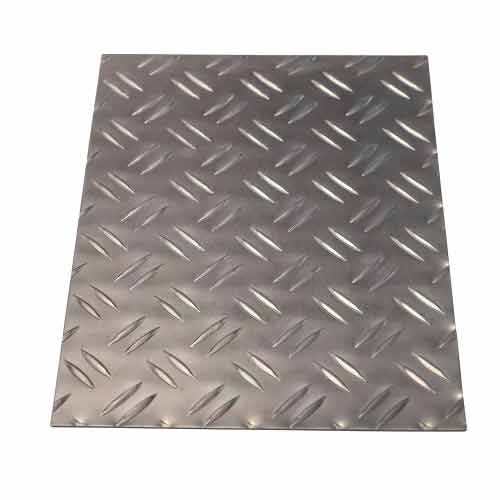
The primary feature of a checkered plate is its surface texture, which consists of a raised pattern usually made of diamond shapes or 5-bar lines. This texture is not just for aesthetics; it serves a critical functional purpose by increasing the friction between the sole of a boot and the floor surface. In factories, warehouses, and construction sites where oil, water, or debris often accumulates, this added traction is vital for preventing slip-and-fall accidents, which are among the most common workplace injuries.
Durability is a hallmark of the checkered plate. Typically fabricated from steel, aluminum, or stainless steel, these plates are designed to bear heavy loads without deforming. Whether it is the heavy traffic of forklifts in a warehouse or the constant foot traffic of pedestrians in a subway station, the material maintains its structural integrity. Its ability to withstand impact and abrasion ensures that even in high-traffic areas, the flooring remains safe and functional for years.
Another significant advantage of the checkered plate is its versatility in application. It is widely used in the manufacturing of shipping vessels, truck bodies, and ramps due to its non-slip properties. Architects and designers also utilize it for decorative purposes in modern industrial-style interiors, appreciating its raw and rugged aesthetic. Whether used as a structural flooring component or a decorative wall cladding, the checkered plate adds an element of visual texture alongside its practical benefits.
Maintenance of checkered plate flooring is relatively straightforward. The raised pattern hides minor scratches and dents, meaning the floor can look acceptable even after years of heavy use. Cleaning is often as simple as hosing down the surface or sweeping away debris, as the texture does not trap dirt as easily as some smooth surfaces might. This ease of maintenance reduces downtime in industrial facilities, allowing operations to continue with minimal interruption.
In conclusion, the checkered plate is a fundamental material in the fields of construction, industrial design, and transportation. Its unique combination of slip resistance, load-bearing capacity, and durability makes it an ideal choice for flooring in hazardous environments. By prioritizing safety without sacrificing strength, the checkered plate continues to be a preferred solution for engineers and safety officers worldwide.
Previous article:Durable Safety and Slip Resistance with Aluminium Checker Plate
Next article:Lentil Chequered Plate Corrosion-Resistant Materials
Hot products
Mobile: +86 15369215227
Email:metalproducts2022@163.com
Email:1626757181@qq.com