Product details description
Chequered plate installation employs welding, bolting, and mechanical
fastening systems, each offering specific benefits in strength, removability,
and suitability for different substrates and load conditions. Also known as
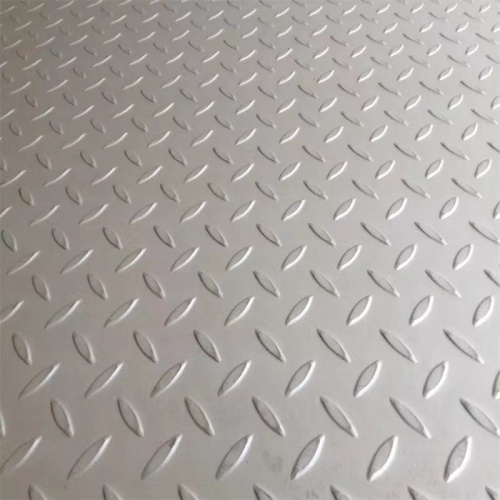
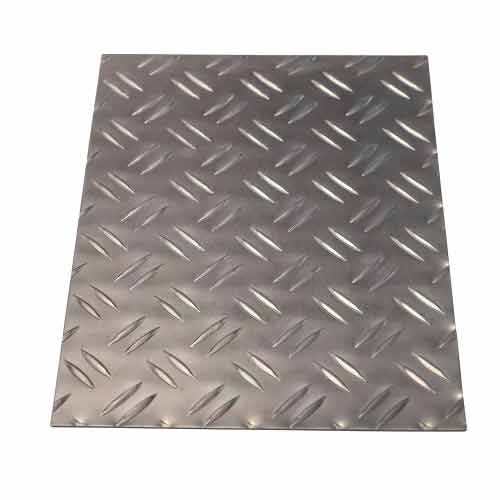
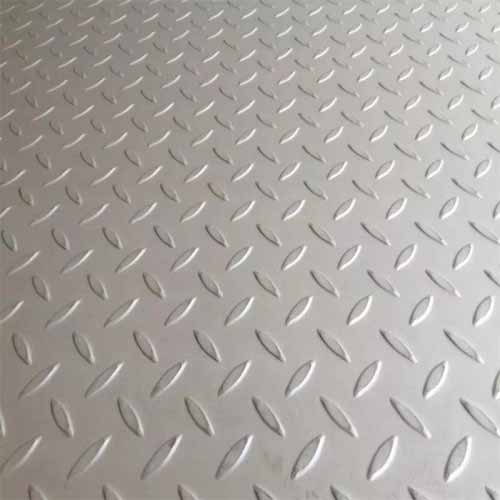
tread plate or diamond plate, chequered plate provides slip resistance and
aesthetic appeal for flooring, staircases, platforms, and vehicle beds. Choosing
the right installation method ensures safety, durability, and ease of
maintenance.
Welding installation fuses the chequered plate directly to structural steel
or metal supports, creating a permanent, vibration-resistant joint. This method
is favored in heavy-duty industrial environments where the plate will not
require removal for maintenance. Proper weld preparation and skilled execution
prevent warping and ensure full contact between plate and substrate, maximizing
load transfer and longevity. Preheat and interpass temperature control are
critical for thicker plates to avoid cracking.
Bolting installation uses high-strength bolts, nuts, and washers to clamp
the plate to supports, allowing disassembly for maintenance or replacement. This
method suits applications where periodic access beneath the plate is needed,
such as in machinery platforms or inspection hatches. Washers distribute load
evenly, and lock nuts or thread-locking compounds prevent loosening from
vibration. Bolt spacing must follow engineering specifications to maintain
structural integrity.
Mechanical fastening systems include clips, clamps, and proprietary
hardware that secure the plate without penetrating the entire thickness. These
systems are ideal for retrofit applications or where welding is prohibited, such
as on coated or finished surfaces. They provide quick installation and removal,
reduce thermal distortion, and preserve surface coatings. Some designs allow for
slight movement to accommodate thermal expansion.
Selection among these methods depends on service conditions, access
requirements, and substrate compatibility. Welding offers permanence and
strength, bolting provides serviceability, and mechanical systems grant
flexibility. Properly installed chequered plate ensures safe footing, attractive
appearance, and reliable performance across diverse industrial and architectural
contexts.
Previous article:
Low Carbon Steel Alloy Checkered Sheet Chequered Steel Plate
Next article:
Using Chequered Plate for Architectural Accents