Product details description
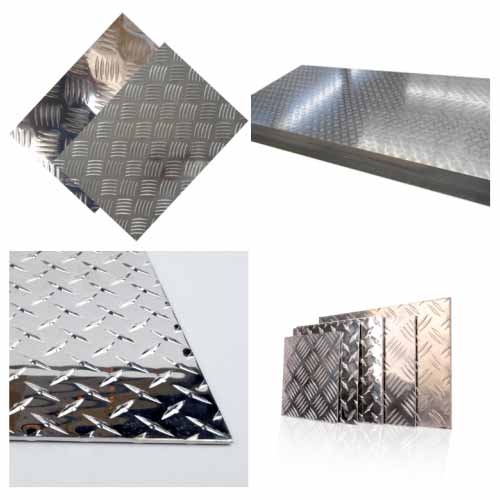
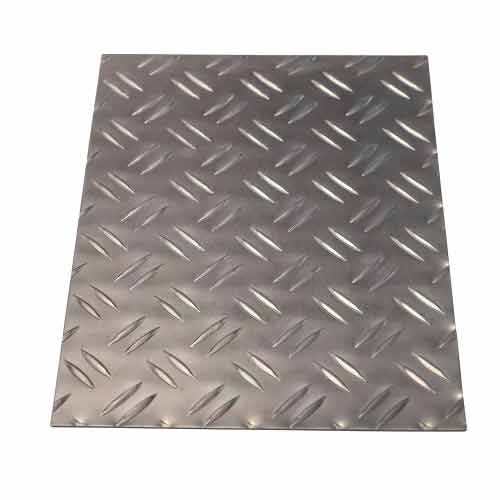
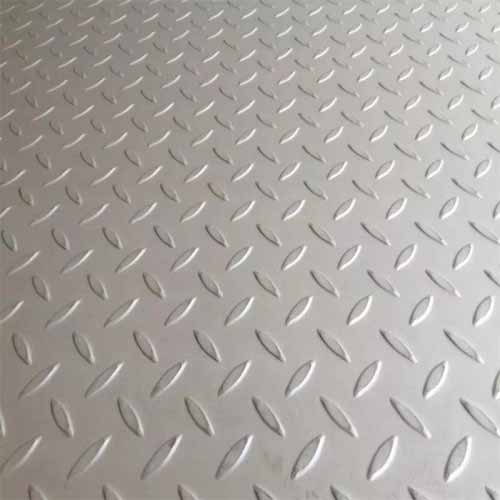
Chequered plate, also known as diamond plate or tread plate, provides
slip-resistant walking surfaces in industrial, commercial, and residential
applications where traction underfoot is essential for safety. The raised
pattern created during manufacturing creates the friction surface that gives
chequered plate its name while adding visual interest and reducing glare
compared to smooth plate surfaces. Understanding chequered plate thickness
specifications, the relationship between thickness and load capacity, and
appropriate material selection criteria enables engineers, architects, and
contractors to specify appropriate products for specific applications. The
performance of chequered plate flooring depends on proper material selection and
installation that matches expected loads and service conditions.
Thickness specifications for chequered plate typically range from 0.080
inches (2.0 mm) for light-duty decorative applications to 0.375 inches (9.5 mm)
or more for heavy industrial flooring and vehicle platforms. The American Iron
and Steel Institute (AISI) and various industrial standards provide guidelines
for thickness selection based on expected load conditions, span lengths, and
safety factors appropriate for different applications. Light-duty applications
such as tool box surfaces and decorative stair treads may use thinner gauges in
the 0.080 to 0.120 inch range, while industrial walkways, machinery platforms,
and vehicle surfaces typically require minimum thicknesses of 0.188 to 0.250
inches (4.8 to 6.4 mm). The raised pattern adds effective thickness to the
plate, though structural calculations typically use the base metal thickness
rather than overall dimension including the pattern height.
Load capacity calculations for chequered plate flooring depend on span
length, support conditions, and expected loading patterns that determine stress
levels in the plate material. Uniformly distributed load capacity increases with
plate thickness and decreases with span length, with standard tables providing
load ratings for common span configurations. Point load capacity depends on the
loaded area and local stress concentrations, with thicker plates providing
greater point load resistance for concentrated loads. The chequered pattern
affects stress distribution, with the raised portions carrying higher stresses
than the base plate between pattern elements. Engineering calculations for
critical applications should account for pattern geometry and its effects on
local stress concentrations, particularly for point loading conditions.
Material selection for chequered plate applications considers factors
beyond basic thickness including corrosion resistance, weldability, and
formability that affect fabrication and long-term performance. Aluminum
chequered plate offers corrosion resistance and reduced weight compared to
steel, making it suitable for marine applications and portable equipment where
weight is a concern. Stainless steel chequered plate provides superior corrosion
resistance for harsh environments, though at higher cost than carbon steel
alternatives. Galvanized chequered plate provides corrosion protection for steel
plate in outdoor and industrial environments, with coating selection based on
exposure severity and expected service life requirements. Material specification
should account for the complete range of environmental and performance factors
that affect long-term service rather than focusing solely on initial cost or
thickness requirements.
Previous article:
How to Install Chequered Plates on Stairs: Anti-Slip Design and Fastening Methods
Next article:
Steel Chequered Plate - Heavy-Duty for Industrial Flooring