Product details description
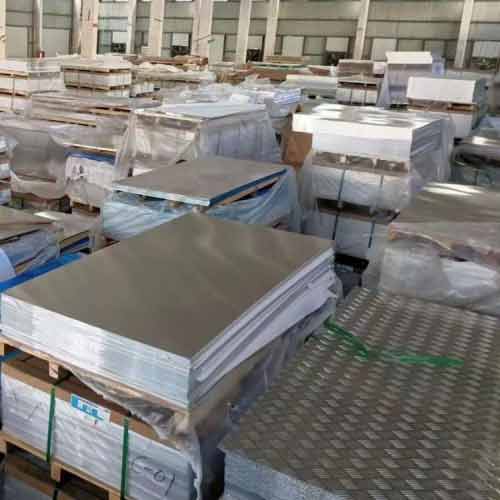
Chequered plate, or tread plate, is widely used for industrial flooring and
walkways due to its slip-resistant surface and structural strength. Selection
begins with material choice: carbon steel chequered plates are economical and
strong, ideal for dry indoor areas; stainless steel resists corrosion for wet or
chemical environments; aluminum offers lightweight and corrosion resistance for
outdoor or overhead walkways. Each material affects load capacity, longevity,
and cost.
Plate thickness and pattern depth determine durability and slip resistance.
Thickness ranges from 3 mm to 12 mm for typical industrial use; heavier loads
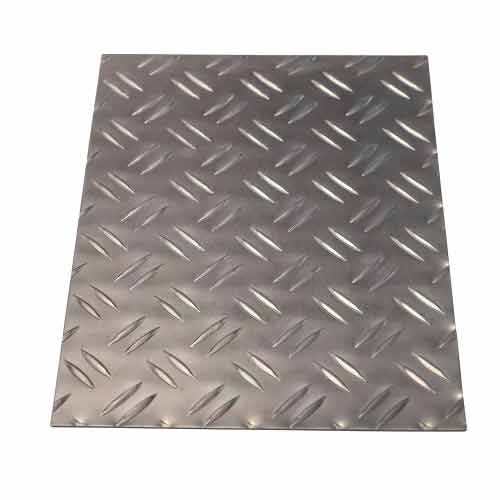
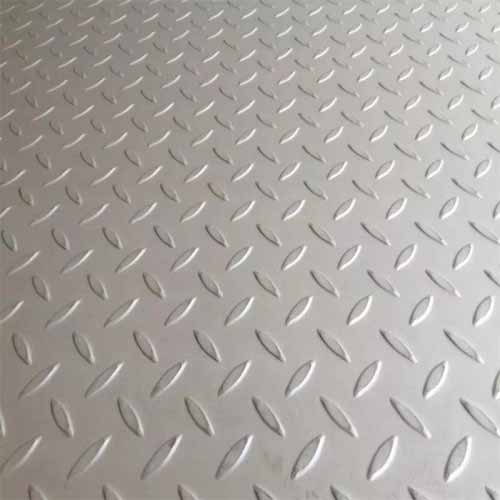
require thicker plates. Pattern types include raised diamonds, lentils, and
lines—diamond patterns provide multidirectional grip, lentils offer directional
traction, and linear patterns suit ramp applications. Deeper patterns enhance
slip resistance but may trap dirt; choose based on expected contaminants and
cleaning frequency.
Surface finish influences both safety and maintenance. Mill finish is raw
and economical but may rust if uncoated. Hot-dip galvanized finish provides
excellent corrosion resistance, ideal for outdoor or moist environments.
Powder-coated finishes come in colors for visual coding and additional
protection; ensure the coating is applied after embossing to avoid filling the
pattern. Anti-slip coatings can be layered for extra safety in high-risk
zones.
Load rating and installation method complete the selection. Match the
plate’s load class to expected traffic—light duty for foot traffic, medium/heavy
for vehicular areas. Proper installation includes flat, rigid supports to
prevent flexing and drainage provisions for wet areas. Edge treatments (beveled
or flanged) reduce tripping hazards. Selecting the right chequered plate ensures
safe, durable, and low-maintenance flooring for demanding industrial
environments.
Previous article:
Chequered Plate with Non-Slip Coating - Extra Grip in Wet Conditions
Next article:
Durability of Chequered Plates: Corrosion Resistance in Outdoor and Marine Applications