Product details description
Safety is the paramount concern in the design of staircases, particularly
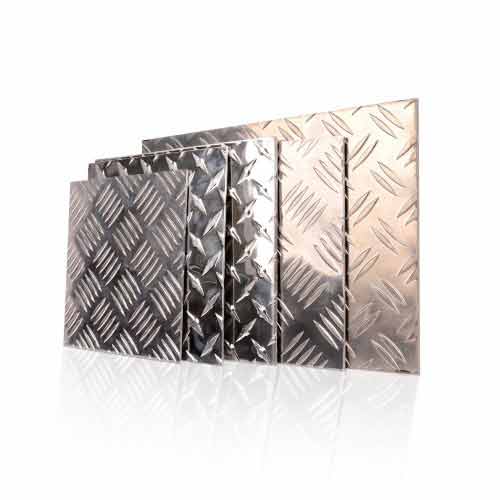
in industrial, commercial, and high-traffic public areas. Chequered plate stair
treads, also known as diamond plate treads, are a popular solution for
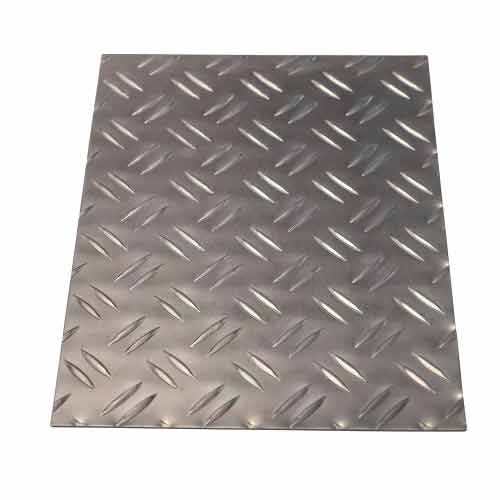
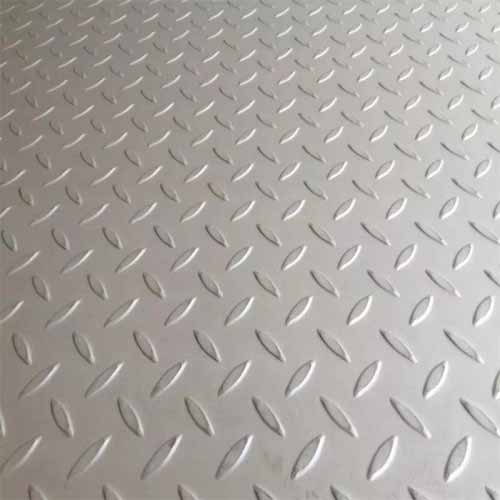
mitigating slip hazards. These metal plates feature a raised pattern of diamonds
or lines on one side, providing essential traction underfoot. Their robust
design not only enhances safety but also aligns with strict building codes
regarding slip resistance and durability.
The primary function of the raised pattern on chequered plates is to
maximize slip resistance. The protrusions create a rough surface that
significantly increases the coefficient of friction between the shoe and the
tread. This is crucial in environments where oil, water, or industrial debris
are often present, as these substances can turn smooth metal into a skating
rink. By displacing liquids and providing a solid grip, chequered treads ensure
that footing remains secure, reducing the risk of slip-and-fall accidents, which
are a leading cause of workplace injuries.
Building codes and safety standards, such as those set by OSHA
(Occupational Safety and Health Administration), mandate specific requirements
for stair treads to ensure public and worker safety. Chequered plates are often
compliant with these standards due to their inherent slip-resistant properties.
Regulations typically specify a minimum coefficient of friction and require that
treads be made of durable materials that can withstand heavy foot traffic. Metal
chequered plates meet these criteria by offering a high-strength surface that
maintains its anti-slip texture even after years of wear and tear.
Beyond safety, chequered plate stair treads are valued for their durability
and ease of maintenance. Made typically from steel or aluminum, they are
designed to withstand heavy loads and impacts without bending or breaking. The
raised surface is easier to clean than grit-covered grating, as debris does not
get trapped in deep holes. In harsh environments, galvanized or aluminum
versions resist corrosion, ensuring that the structural integrity of the stairs
is not compromised by rust. This long lifespan makes them a cost-effective
investment for facility managers.
In conclusion, chequered plate stair treads are a vital component of safe
and code-compliant stair construction. Their ability to provide reliable
traction in hazardous conditions makes them an indispensable choice for
industrial plants, outdoor stadiums, and public access ways. By selecting
chequered plates that meet or exceed building code requirements, architects and
engineers can ensure that they provide a safe environment for users. These
treads combine practical safety features with rugged durability, making them a
standard in safety-conscious design.
Previous article:
Chequered Plate Maintenance Protocols: Cleaning Methods and Surface Protection Treatments
Next article:
Galvanized vs Plain Steel Chequered Plate: Corrosion Resistance and Outdoor Applications