Product details description
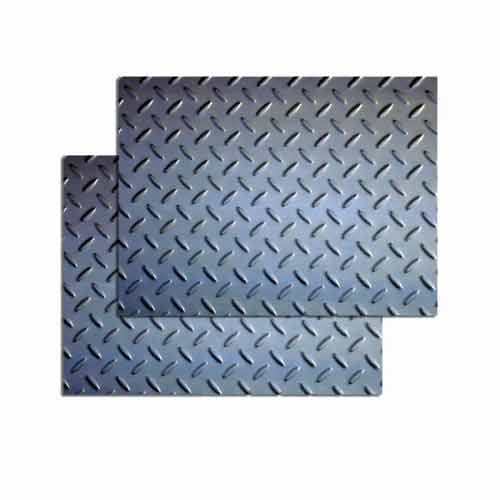
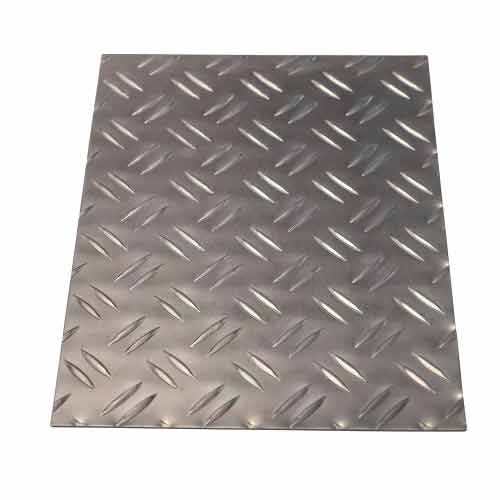
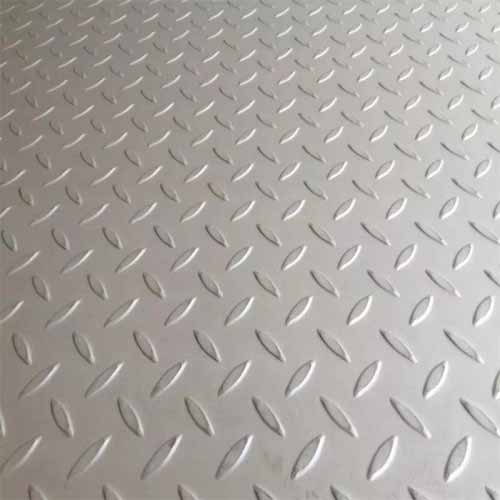
Understanding the 4mm chequered plate weight is crucial for calculating
load capacity in construction and manufacturing. Chequered plates, with raised
diamond or square patterns, are used for flooring, stair treads, and vehicle
ramps, where slip resistance is key. The 4mm thickness indicates a balance
between strength and weight, with weight depending on material (mild steel,
aluminum, or stainless steel) and dimensions. For mild steel, a 1x1 meter plate
weighs ~31.4 kg, calculated by multiplying area (1m2) by thickness (0.004m) and
density (7850 kg/m3).
The 4mm chequered plate’s weight directly impacts its load-bearing ability.
In industrial settings, it supports heavy machinery or foot traffic, with weight
distribution determining deflection limits. Engineers use formulas like Load =
(Weight per unit area × Area) / Number of supports to ensure safety. For
example, a 2x1 meter plate (62.8 kg) supported at two ends can hold ~500 kg
before excessive bending. Material choice matters: aluminum plates weigh ? less
than steel but have lower strength, requiring thicker gauges for equivalent
loads.
Applications of 4mm chequered plates highlight their weight-to-strength
ratio. In automotive workshops, they form ramps for lifting cars, with weight
kept low for portability. In architecture, they serve as non-slip balcony
flooring, with weight contributing to structural stability. Calculating 4mm
chequered plate weight involves considering material density, dimensions, and
intended use, ensuring optimal performance in every scenario.
Previous article:
Raised Pattern Chequered Plate - Superior Grip and Durability
Next article:
The Role of Chequered Plates in Vehicle Ramps and Loading Docks: Load Capacity Analysis